
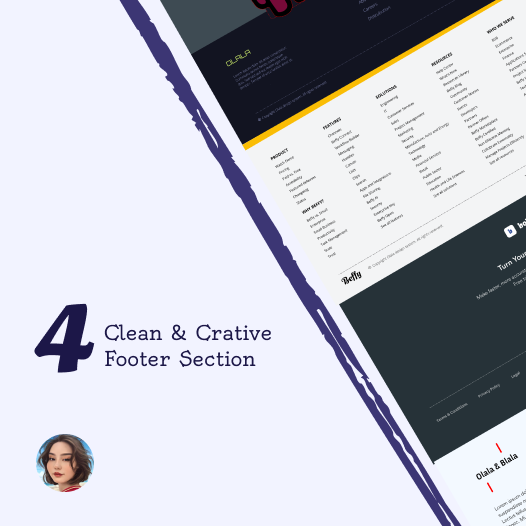
The footer is the area at the bottom of a website that is often overlooked but is critical in terms of user experience and SEO.
The footer keeps users on the site, directs them, and explains the structure of your content to search engines. A well-designed footer significantly increases SEO value.
When users still want to navigate at the end of a page, they can continue without getting lost in the site using the links in the footer.
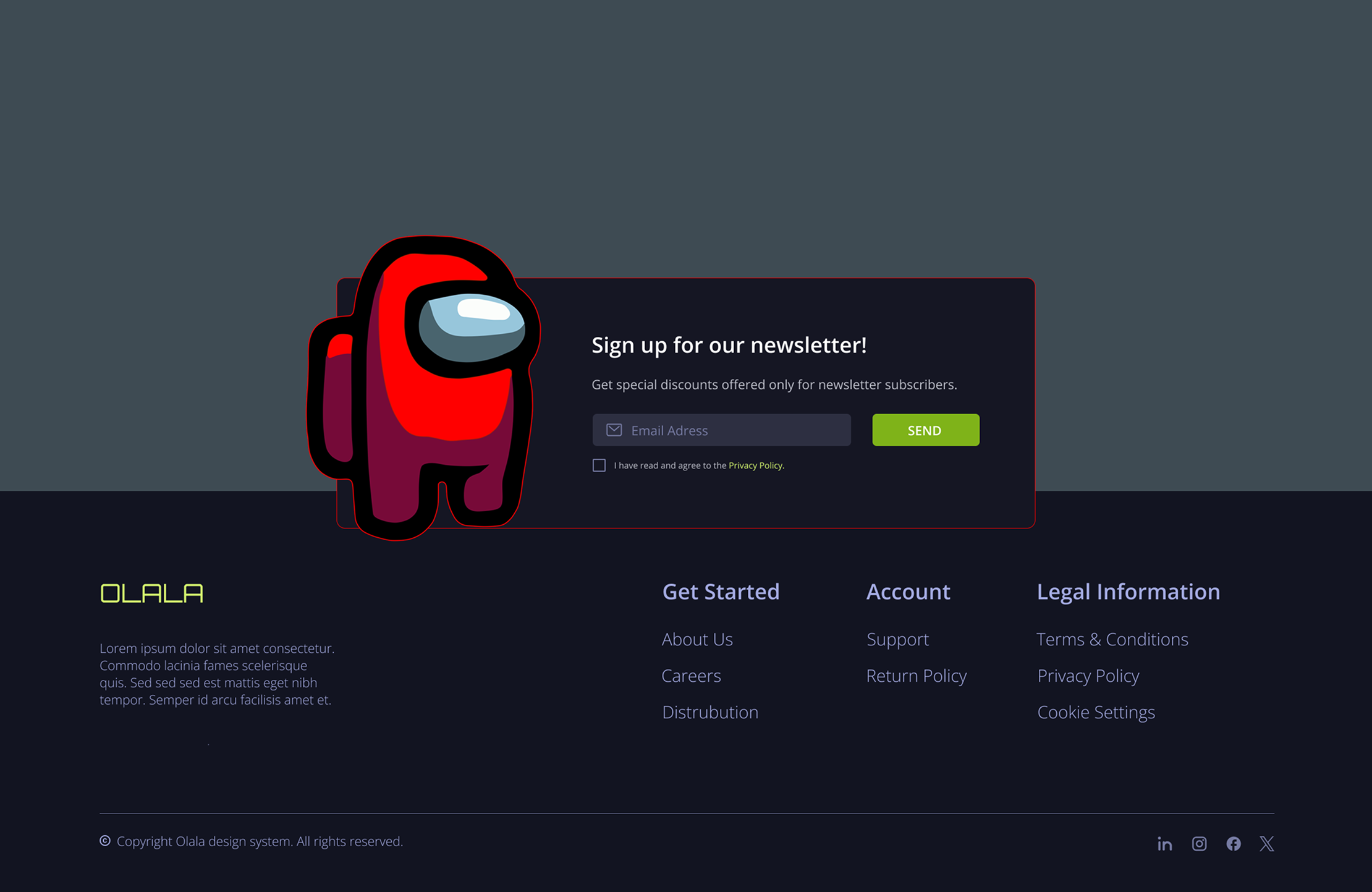
A short “about” section in the footer provides users with information about the brand and also contributes significantly to SEO.
Newsletter sign-up forms or campaign cards placed in the footer encourage users to take action and increase engagement.
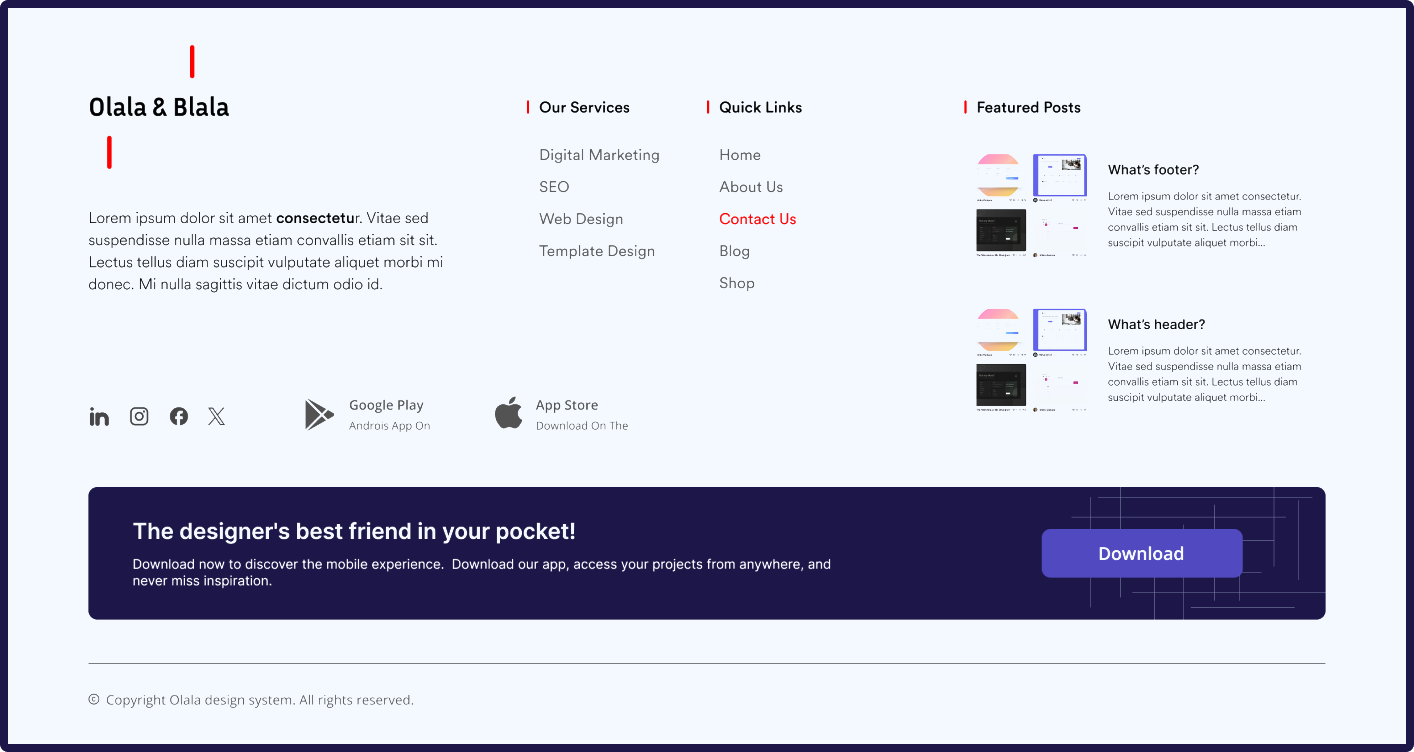
Small but effective: These links build trust in the brand, strengthen its digital identity, and increase user engagement.
Keeping the footer up to date with new content, campaigns, or announcements contributes to SEO and keeps users engaged.
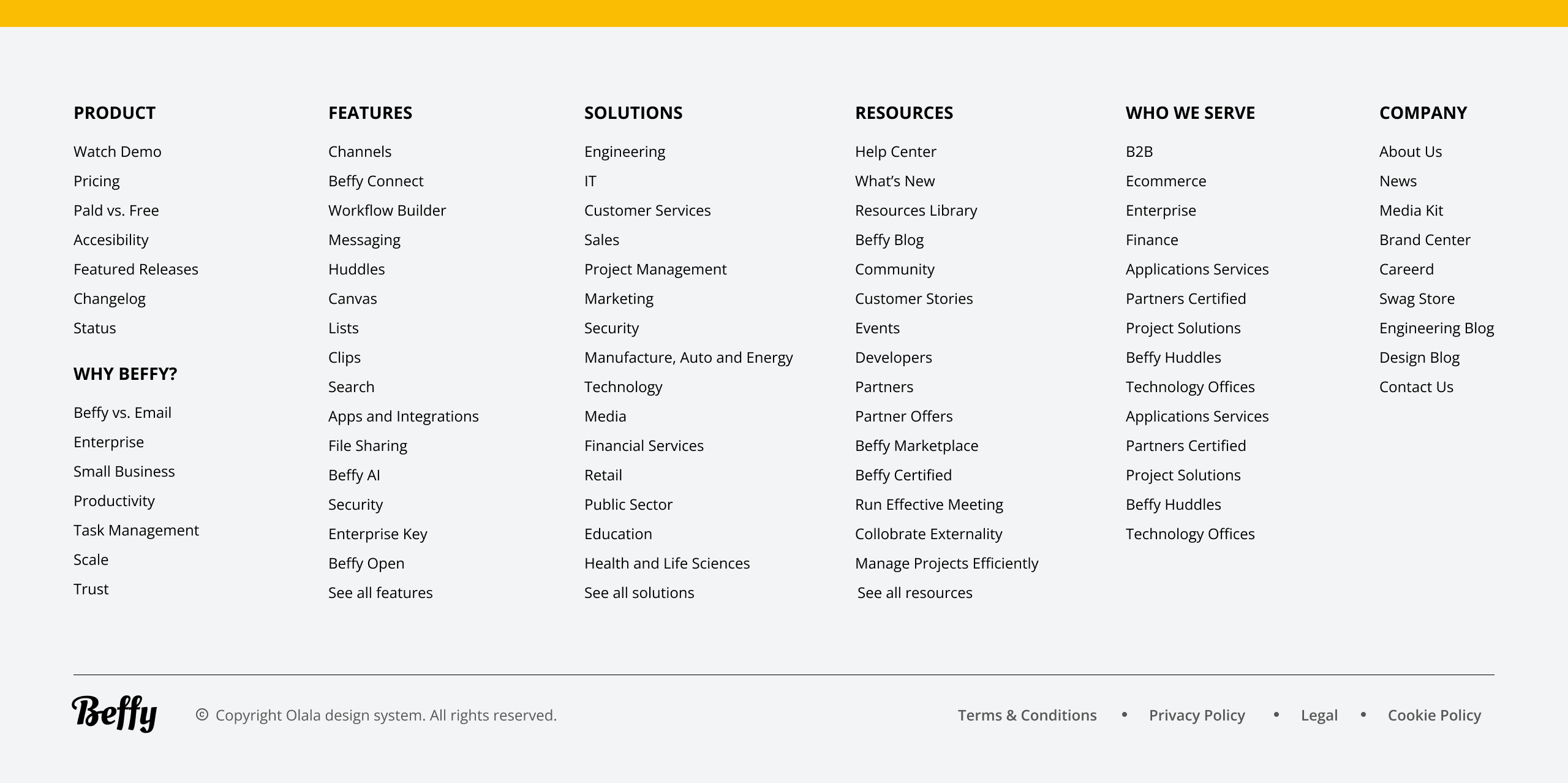
It offers comprehensive navigation. Users can easily access pages that might otherwise be overlooked. This is also a great advantage for search engines.
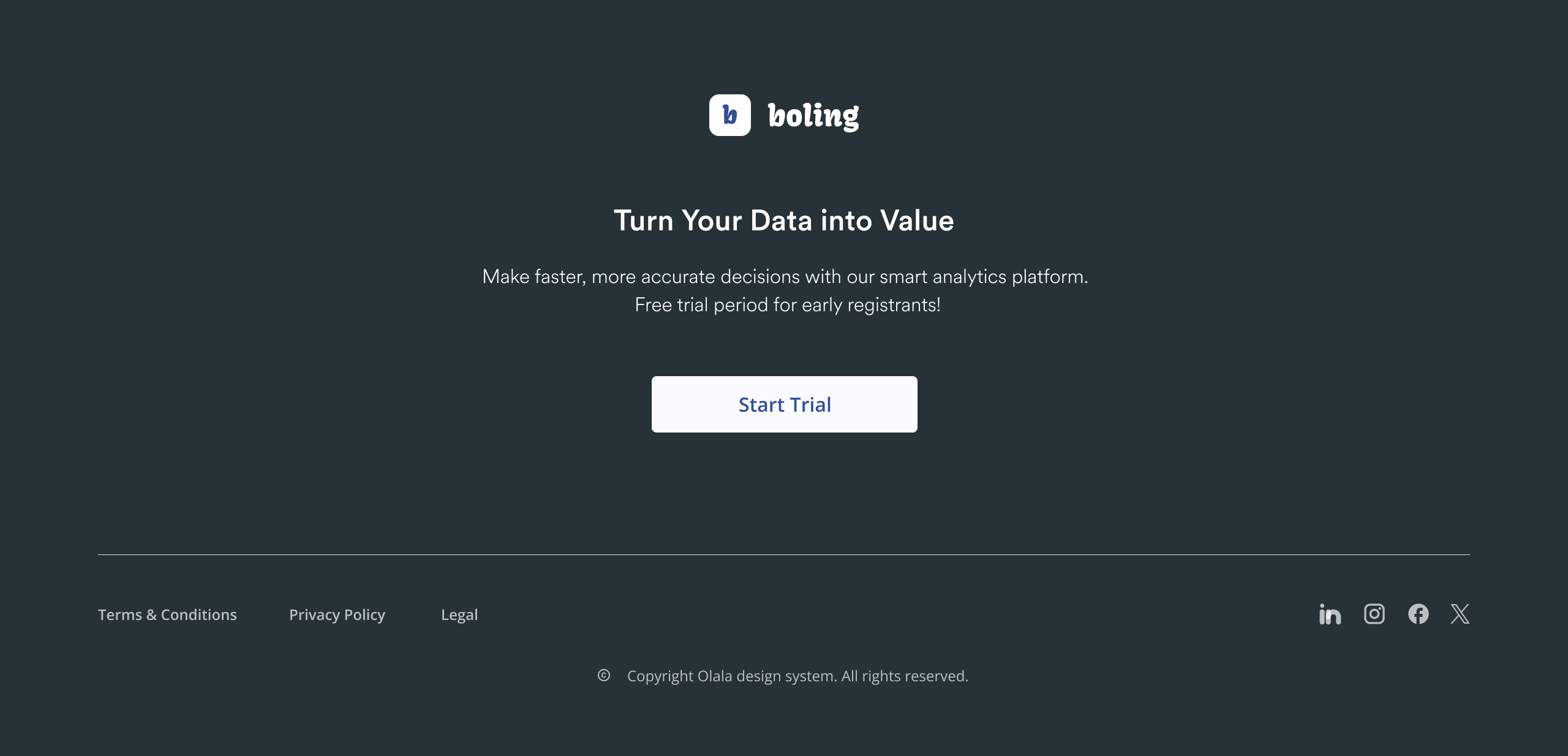
Links such as privacy policy and cookie preferences should be included in the footer. This builds trust and fulfills legal obligations.
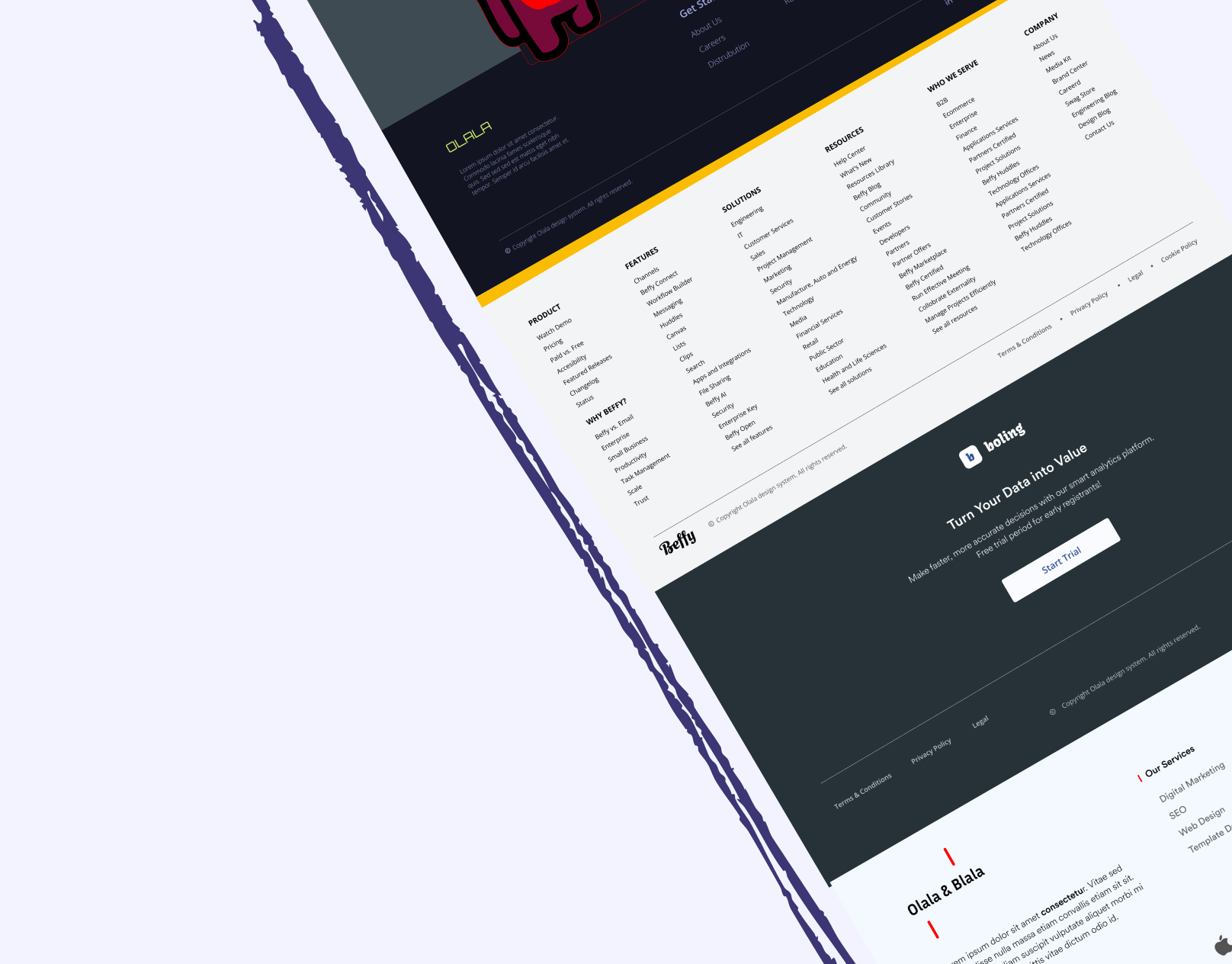
The footer is not just a visual complement to a website; it is a multifaceted structure that enhances the user experience, guides search engines, increases brand credibility, and reinforces digital identity. Although it is located at the bottom of the page, when designed strategically, it becomes one of the most valuable sections. For this reason, footer designs should never be overlooked in web design processes.
You can also read my blog post about footer sections.


Harika Olmuş!