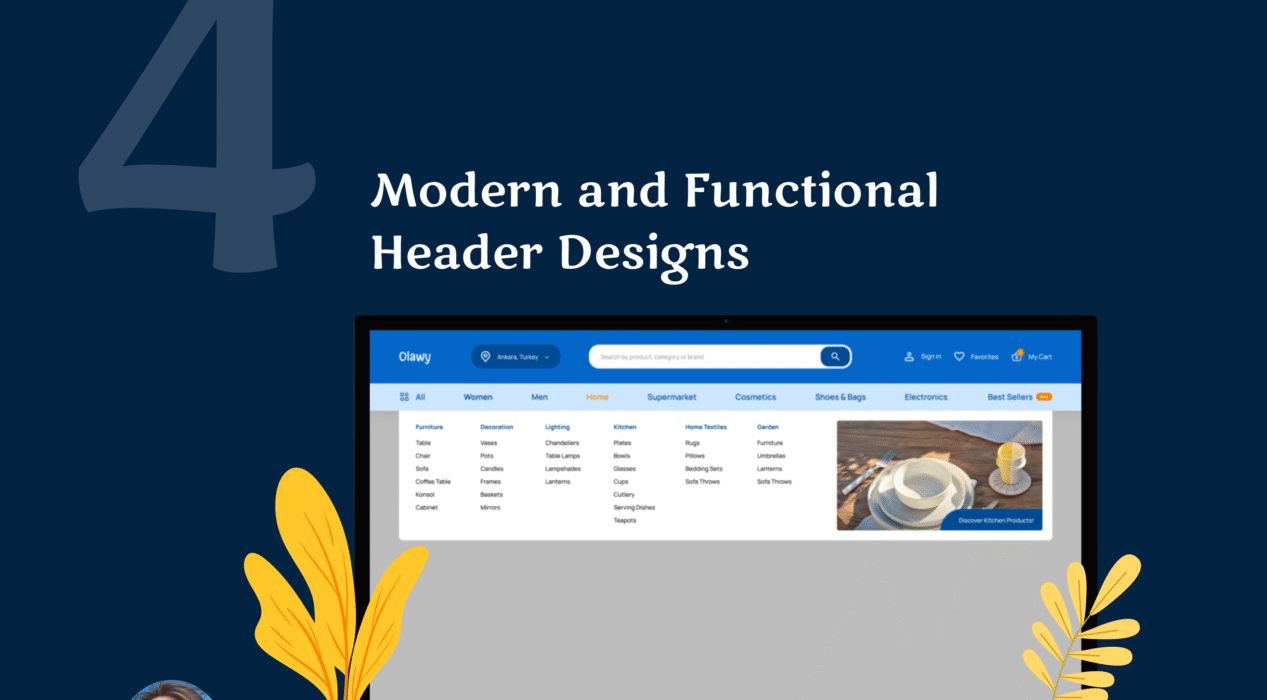
The header is the first thing users see when they visit a website — it’s where orientation begins. A well-designed header builds trust, strengthens brand recognition, and sets the tone for the entire experience.

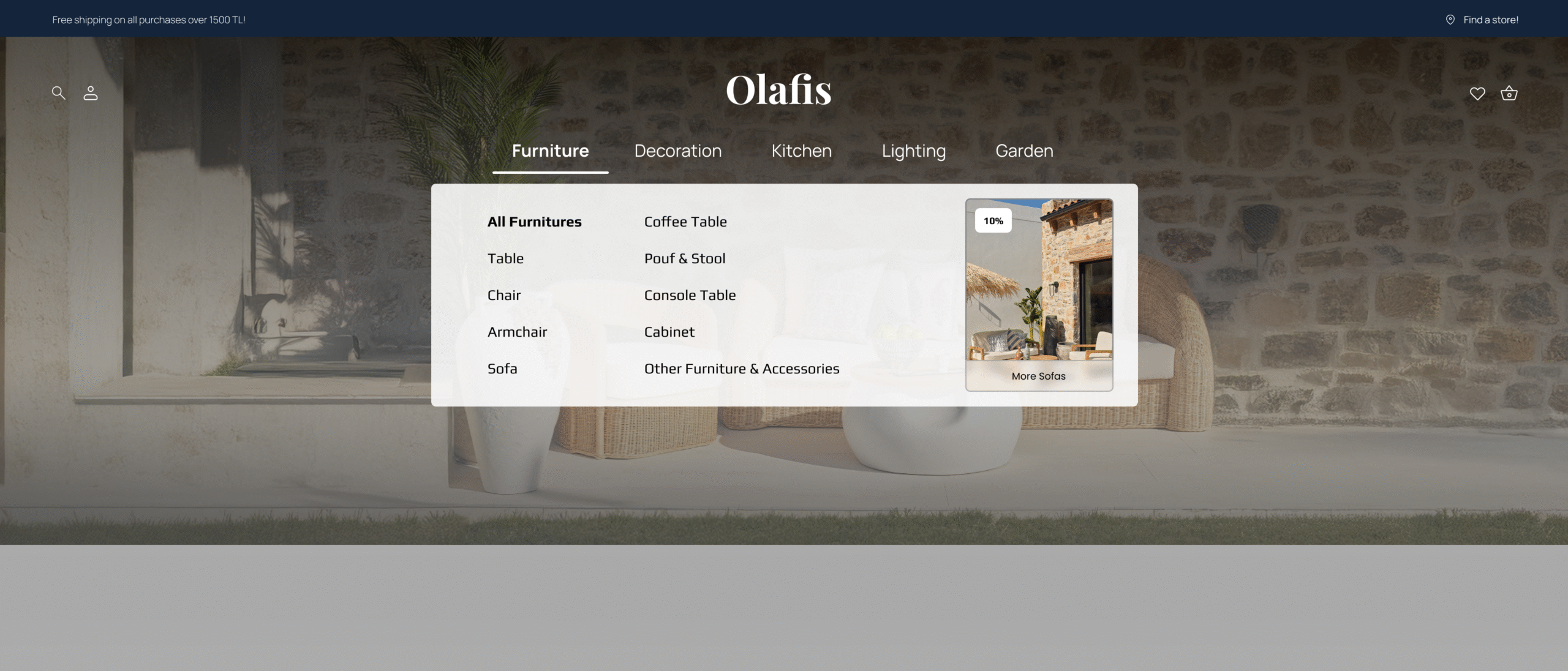
It plays a crucial role in navigation, guiding users quickly to the most relevant areas of the site. A clear, intuitive menu structure allows visitors to explore content effortlessly without friction.
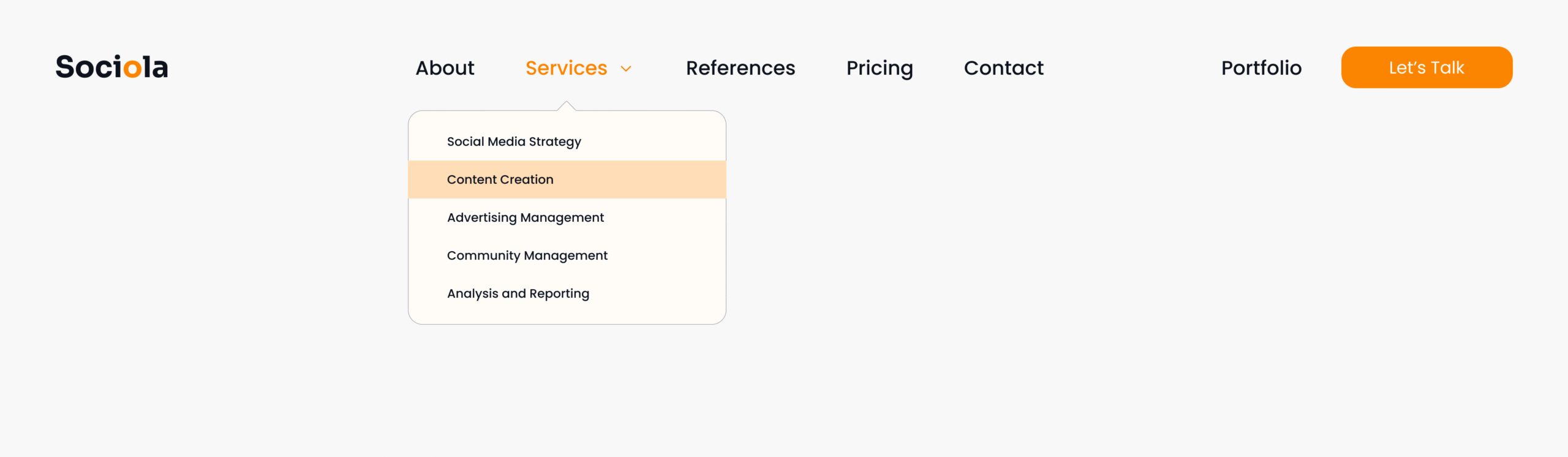

The header also plays a role in SEO by helping search engines understand site hierarchy through structured links and categories. When users can easily explore your website, search engines can too.


Including elements like a search bar, contact shortcuts, or CTAs encourages interaction and boosts engagement. Headers are not just for navigation — they can drive conversions and improve usability significantly.
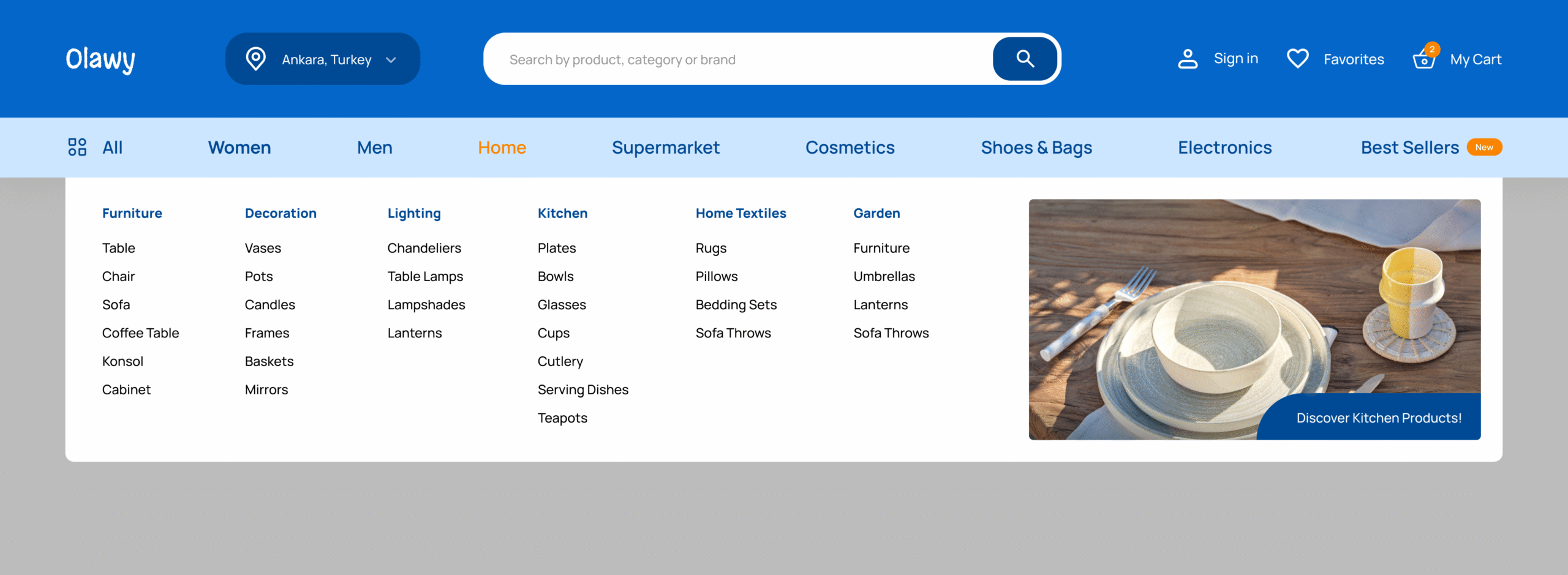
Consistency in logo placement, color palette, and typography in the header strengthens the brand’s digital identity and leaves a lasting impression.
Despite its compact size, the header is a powerful UX tool. It’s a small section with a big responsibility: helping users start their journey with clarity, confidence, and curiosity.
You can also read my blog post about header sections.